Solutions
keyboard_arrow_downServices
keyboard_arrow_downSupport & Resources
keyboard_arrow_downCompany
keyboard_arrow_downContact

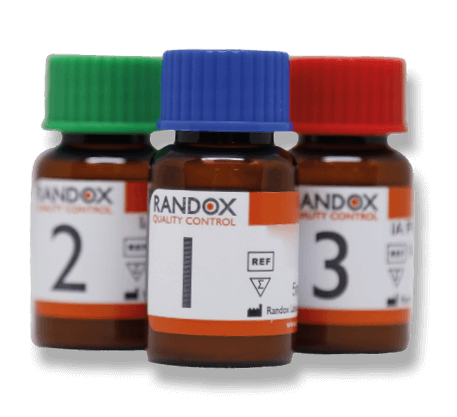
Liquid Chemistry Premium
Plus Control
Comprising 100 analytes in total, the Acusera Liquid Chemistry Premium Plus control is one of the most comprehensive available. Our vast analyte menu allows complete consolidation, eliminating the need to purchase additional controls at extra expense. As an unassayed, third party control it is ideal for monitoring precision on a wide range of laboratory analysers. Presented in a convenient liquid format for ease-of-use, minimal preparation is required.
Get in touch to discover more
To find out more about this Acusera Control or to get in touch with your local Randox Representative, enquire now.
Work |top| - Zoofilia Comics
By knowing an animal's species-specific baseline, professionals can identify "maladaptive" or atypical behaviors (like pacing or self-grooming to excess) that may signal stress or illness.
: How did the behavior arise in the species over generations? Categories of Behavior
Veterinarians trained in behavior utilize a process called behavioral triage. By distinguishing between a primary behavioral problem (like separation anxiety) and a secondary behavioral symptom caused by a medical issue (like cognitive dysfunction or neurological disease), clinicians can avoid misdiagnosis and ensure appropriate treatment protocols. 2. Low-Stress Handling and Fear-Free Veterinary Care zoofilia comics work
So, I should structure this like a proper feature article. Start with a compelling title and introduction that hooks the reader by stating the evolution from old paradigms to modern integration. Then, logically break down the core areas: how behavior analysis applies in the exam room (low-stress handling, fear-free concepts), the role of history-taking, common behavioral problems and their medical links (like aggression linked to pain, or elimination issues tied to diseases), the neurobiology basis (brain chemistry, genetics, developmental periods), and finally practical applications like environmental enrichment and the role of specialists (veterinary behaviorists). The conclusion should tie it all back to the one-medicine concept.
Historically, veterinary medicine and animal behavior were treated as distinct disciplines. Veterinarians focused strictly on pathology, surgery, and pharmacology. Behavior was largely left to trainers, ethologists, or behaviorists, often viewed through the lens of obedience rather than health. By distinguishing between a primary behavioral problem (like
Veterinary medicine has evolved far beyond treating physical injuries and biological illnesses. Today, the integration of animal behavior and veterinary science represents one of the most critical advancements in modern pet care and livestock management. Understanding why an animal acts a certain way is no longer viewed as a separate discipline; it is an essential diagnostic tool that directly impacts medical outcomes, patient welfare, and the human-animal bond. 1. The Historical Divide and Modern Convergence
Historically, veterinary visits often involved forceful restraint to accomplish medical procedures. However, the integration of behavioral science into clinical practice has triggered a massive shift toward and Fear-Free certifications. Start with a compelling title and introduction that
Modern veterinary science recognizes that physiology and behavior are deeply intertwined. Stress, fear, and anxiety trigger physiological responses—such as elevated cortisol, high blood pressure, and suppressed immune function—that actively hinder medical healing. Consequently, behavioral evaluation is now standard practice in comprehensive veterinary diagnostics. 2. Behavioral Changes as Diagnostic Indicators
The synergy between animal behavior and veterinary science represents a profound shift toward truly comprehensive veterinary medicine. By viewing the animal as a complete entity—where mental wellness directly impacts physical pathology—veterinary professionals can provide more accurate diagnoses, safer treatments, and a drastically higher quality of life for the animals in their care.
Sudden aggression is frequently triggered by pain. Dental disease, spinal injuries, and ear infections can make an animal lash out when touched.

SMARTDOCS
One location for all Randox Quality Control products inserts.
Acusera Brochure
True third party controls offering complete test menu consolidation