
Globalscape Terms Patched
This granted attackers remote code execution (RCE) capabilities, allowing them to run unauthorized commands with administrative privileges.
"Globalscape terms patched" generally refers to the proactive patching of security vulnerabilities, known as , in the Globalscape EFT software, as detailed in Fortra/Globalscape Release Notes.
| Term | Definition | |------|-------------| | | Urgent, targeted fix (often security or critical bug). May be provided as a replacement .dll or .exe . | | Cumulative Patch | A rollup of all hotfixes since the last minor release. Preferred for production updates. | | Service Pack (SP) | Larger collection of patches + stability improvements. Less common in newer EFT versions. | | Security Patch | Specifically addresses a CVE or vulnerability (e.g., OpenSSL, TLS, or file transfer protocols). | | Out-of-Band Patch | Released outside normal schedule for critical zero‑day or exploit issues. | globalscape terms patched
This vulnerability is often cited in discussions regarding recent Globalscape patches. The flaw existed within the /EFT/client/ endpoint.
This information disclosure vulnerability allowed an attacker to remotely retrieve the serial number of the hard drive on which Globalscape was installed, via a “trial extension request” message. The issue was patched in version 8.1.0.16. May be provided as a replacement
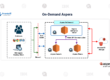
Are you using the or strictly SFTP/FTPS? Do you deploy Globalscape via a DMZ Gateway architecture ?
: Beyond security, these updates often include user-experience improvements and better integration with Windows environments. How to Secure Your Environment | | Service Pack (SP) | Larger collection
Disclaimer: This article is based on information available as of early June 2026. Security landscapes change rapidly; always consult the official Fortra/Globalscape documentation and release notes for the most up-to-date patch information.
Always test new patches in a non-production staging environment to ensure compatibility with existing workflows and scripts.
This bypassed standard authentication mechanisms, allowing threat actors to manipulate, delete, or exfiltrate database records linked to user credentials and transfer logs.