


Выбирайте со вкусом
Каталог продукцииДавайте знакомиться
О компанииКак мы это делаем
О производствеПокупайте с легкостью
Маркетплейсы 12 продуктов в категории
 22 продукта в категории
 21 продукт в категории
 7 продуктов в категории
 17 продуктов в категории
 10 продуктов в категории
 7 продуктов в категории
 4 продукта в категории
 4 продукта в категории
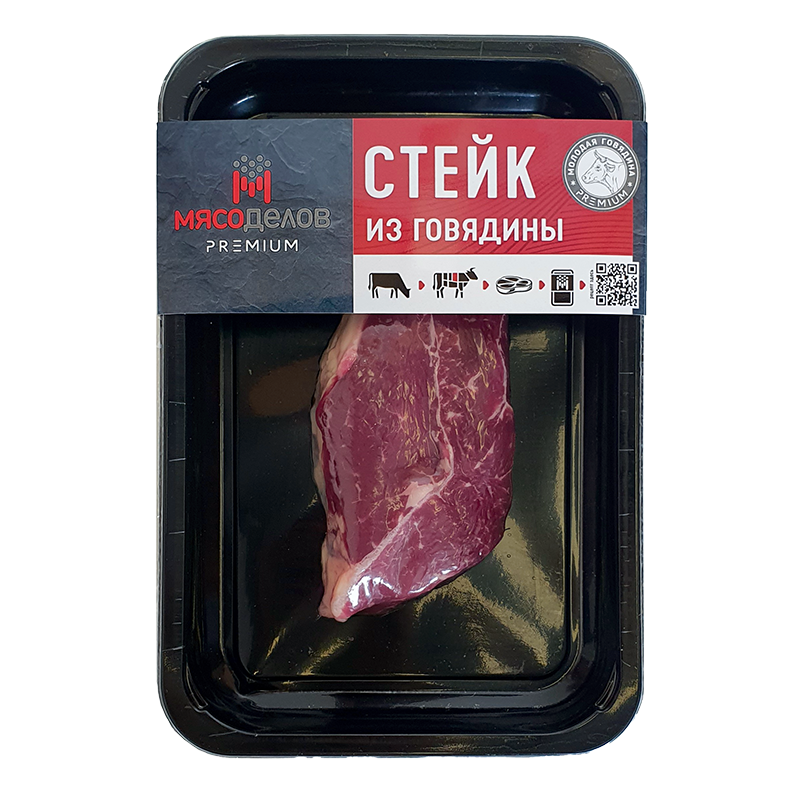 9 продуктов в категории
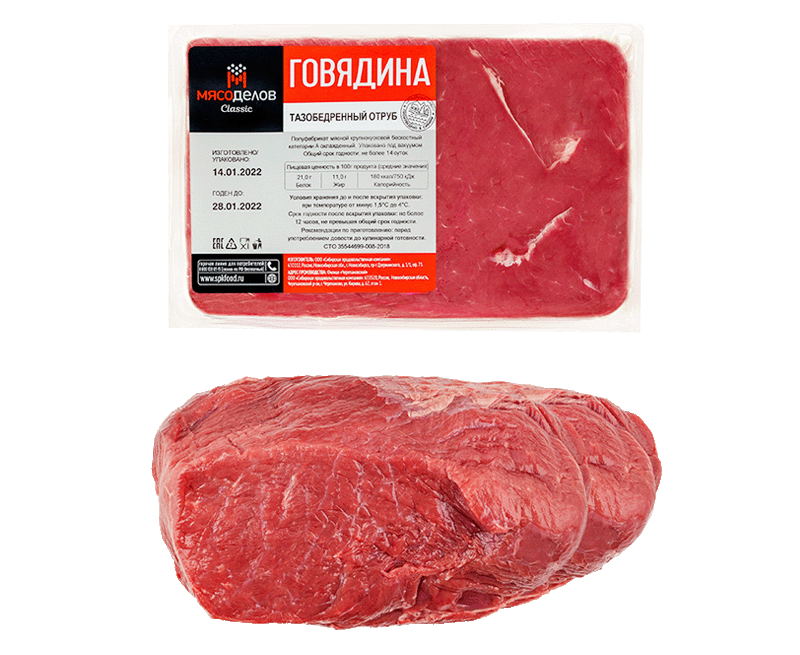 13 продуктов в категории
 5 продуктов в категории
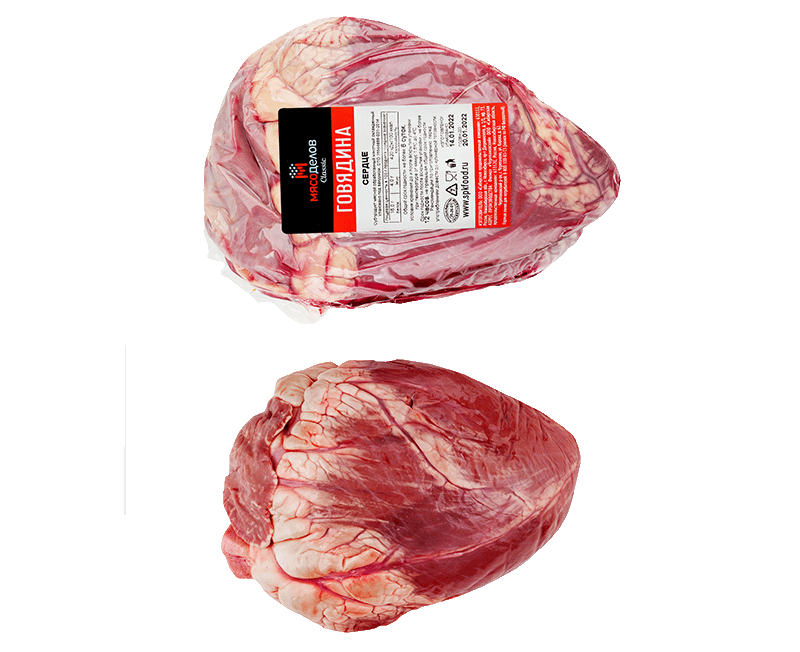 6 продуктов в категории
 19 продуктов в категории
Navigating the ASCE 7-22.pdf requires adapting to a highly interconnected design ecosystem. Design Element Old Approach (Pre-ASCE 7-22) Modern Approach (ASCE 7-22) Visual interpolation of printed PDF maps Direct GPS coordinate input via Hazard Tool Tornado Design Excluded from standard building design Mandatory for Risk Category III & IV in active zones Seismic Soil Scaling Facap F sub a Fvcap F sub v coefficients Multi-Period Design Response Spectra Snow Loads Broad regional map zones Point-specific, reliability-targeted data Software Integration
The PDF is fully bookmarked and hyperlinked. Chapter cross-references (e.g., “see Section 13.5.2”) are clickable in the official version, making navigation far faster than print.
This article provides an in-depth exploration of the major updates, critical chapter changes, and practical implications of adopting ASCE 7-22 in structural design. Understanding the Role of ASCE 7-22
Which specific load type are you calculating? (e.g., ) What is the Risk Category of your structure? What building code governs your project location?
), ground snow loads, wind speeds, rain intensity, ice thickness, and tsunami vulnerability zones are all completely digitized. 2. Structural Load Combinations (Chapter 2)
Do you need assistance calculating a specific hazard, such as pressures? Share public link
Yes. ASCE offers a online viewer for a reduced fee (approx. $199), but you cannot download the raw PDF file—only print specific pages.
Snow loads shifted from a standard return-period system to a reliability-targeted ( Pgcap P sub g
Seismic Design (Criteria, ground motions, structural frameworks, and non-structural components)
Whether you are looking for an for reference or adjusting your firm's workflows, understanding these paradigm shifts is critical. 1. Digital Data Paradigm: The Death of Paper Maps
Navigating the ASCE 7-22.pdf requires adapting to a highly interconnected design ecosystem. Design Element Old Approach (Pre-ASCE 7-22) Modern Approach (ASCE 7-22) Visual interpolation of printed PDF maps Direct GPS coordinate input via Hazard Tool Tornado Design Excluded from standard building design Mandatory for Risk Category III & IV in active zones Seismic Soil Scaling Facap F sub a Fvcap F sub v coefficients Multi-Period Design Response Spectra Snow Loads Broad regional map zones Point-specific, reliability-targeted data Software Integration
The PDF is fully bookmarked and hyperlinked. Chapter cross-references (e.g., “see Section 13.5.2”) are clickable in the official version, making navigation far faster than print.
This article provides an in-depth exploration of the major updates, critical chapter changes, and practical implications of adopting ASCE 7-22 in structural design. Understanding the Role of ASCE 7-22 Asce 7-22.pdf
Which specific load type are you calculating? (e.g., ) What is the Risk Category of your structure? What building code governs your project location?
), ground snow loads, wind speeds, rain intensity, ice thickness, and tsunami vulnerability zones are all completely digitized. 2. Structural Load Combinations (Chapter 2) Navigating the ASCE 7-22
Do you need assistance calculating a specific hazard, such as pressures? Share public link
Yes. ASCE offers a online viewer for a reduced fee (approx. $199), but you cannot download the raw PDF file—only print specific pages. This article provides an in-depth exploration of the
Snow loads shifted from a standard return-period system to a reliability-targeted ( Pgcap P sub g
Seismic Design (Criteria, ground motions, structural frameworks, and non-structural components)
Whether you are looking for an for reference or adjusting your firm's workflows, understanding these paradigm shifts is critical. 1. Digital Data Paradigm: The Death of Paper Maps
 Поиск по сайту
 Напишите нам
 Подписаться